
Your Insight Report
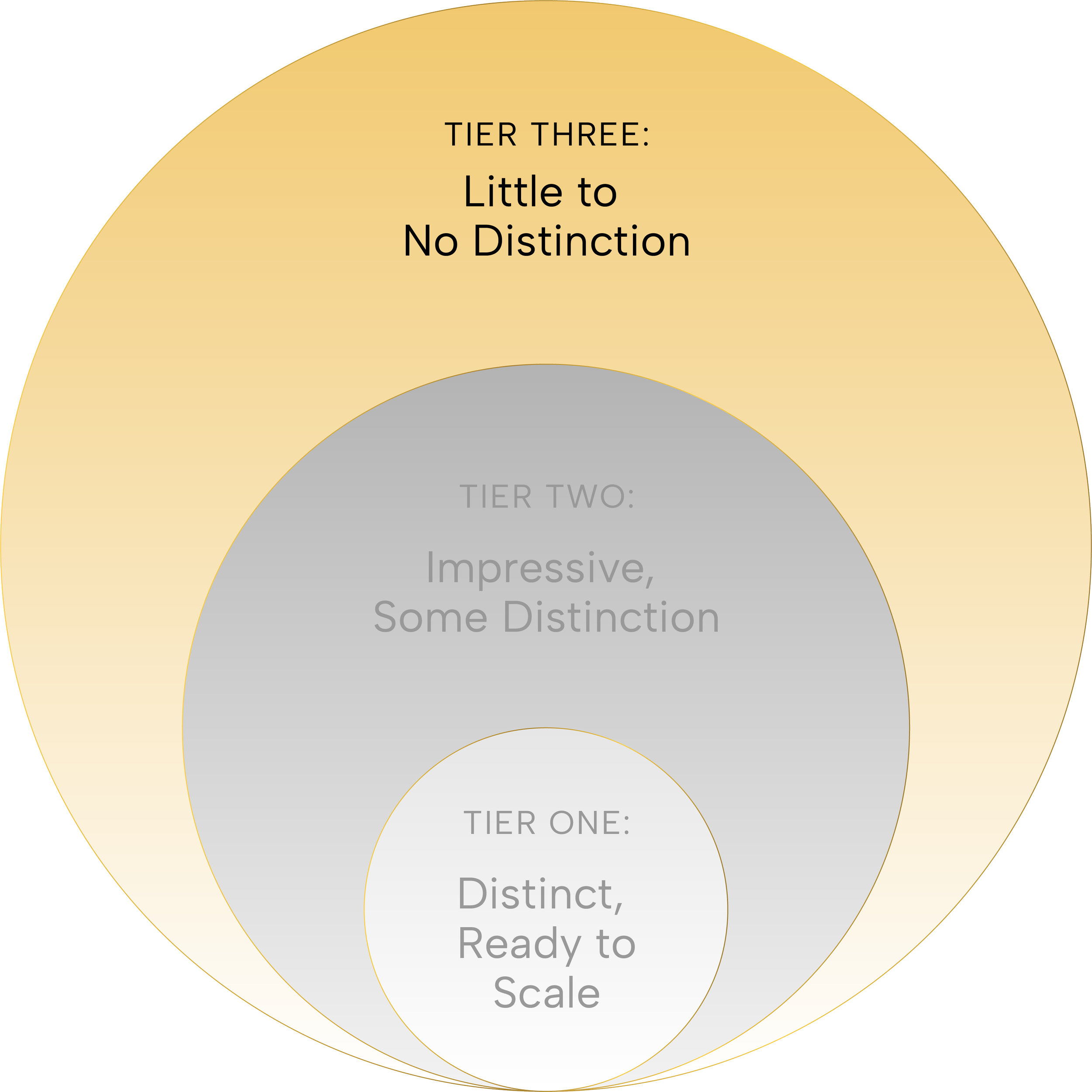
Tier Three: Little to No Distinction
WHAT THIS SCORE INDICATES
Your score indicates you have little to no distinction. That doesn’t mean you’re not talented or uniquely qualified to lead. It simply means people can’t clearly see or name the value you bring. Without that clarity, people don’t know how and why to engage you or what to trust you with.
Common Symptoms
Here are the common symptoms of people with little or no distinction–of not seeing and owning their value.

Passed over for a leadership role or promotion, even with a track record and strong peer reviews. Or prospects choose other products or services—even when theirs are more effective.
Shy away from putting themselves out there because they worry it might seem arrogant, self-promotional, or culturally out of step.
Done the work—but the outcomes and external success don’t match your effort.
Talented, gifted and effective but overachieve or over-function to be seen, heard or taken seriously. Hypervigiliant or overthink every move, which creates busy work but not forward movement or momentum.
Hesitate to speak up or push against the norms, only to hear their peers deliver the same message or innovative ideas and receive credit.
Subtly diminish or play it safe in certain contexts —toning down their personality, voice, or ambition to match expectations and feel more palatable.
Showing up strong for others—but dragging their feet when it comes to taking action for themselves.
Overlooked when it comes to meaningful, high profile projects or events—the invitations go to others who are less qualified and effective, but have greater comfort and command with influence.
Even if they are at the table or in the right rooms, they wonder “Who am I to be here?” Or “Who am I to lead people towards anything?”
Shaped others’ dreams and futures—but haven’t shaped or prioritized their own.
They often think, “Doesn’t everyone know how to do this,” or “so and so does it better,” or “I just do what I have to do.”
Spend time and energy convincing or repeating themselves to others, and even with a full proof rationale their message falls flat, they don’t get the yeses they expect — at times they are ghosted.
How many of these common symptoms can you relate to?
Did you know that these symptoms are caused by a low level of distinction?
If you can’t see your value, others can’t and won’t.
Here’s Why This Happens

You’ve likely been focused on delivering results and supporting others. You’ve heard advice like “stay humble” or to “let the work speak for itself.” You’ve been told that advocating for your value is arrogant or vain (probably by an authority figure like a parent, teacher or boss). You are also turned off by the conventional tactics you see being utilized—it feels inauthentic, performative or sales-y.
So you’ve chosen to stay focused and work harder. You feel safer going unnoticed.
Rest assured: there are ways to see and own your value—and increase visibility around it in a way that is natural and effective.
You just need a framework to show you how.
Your Recommended Next Step
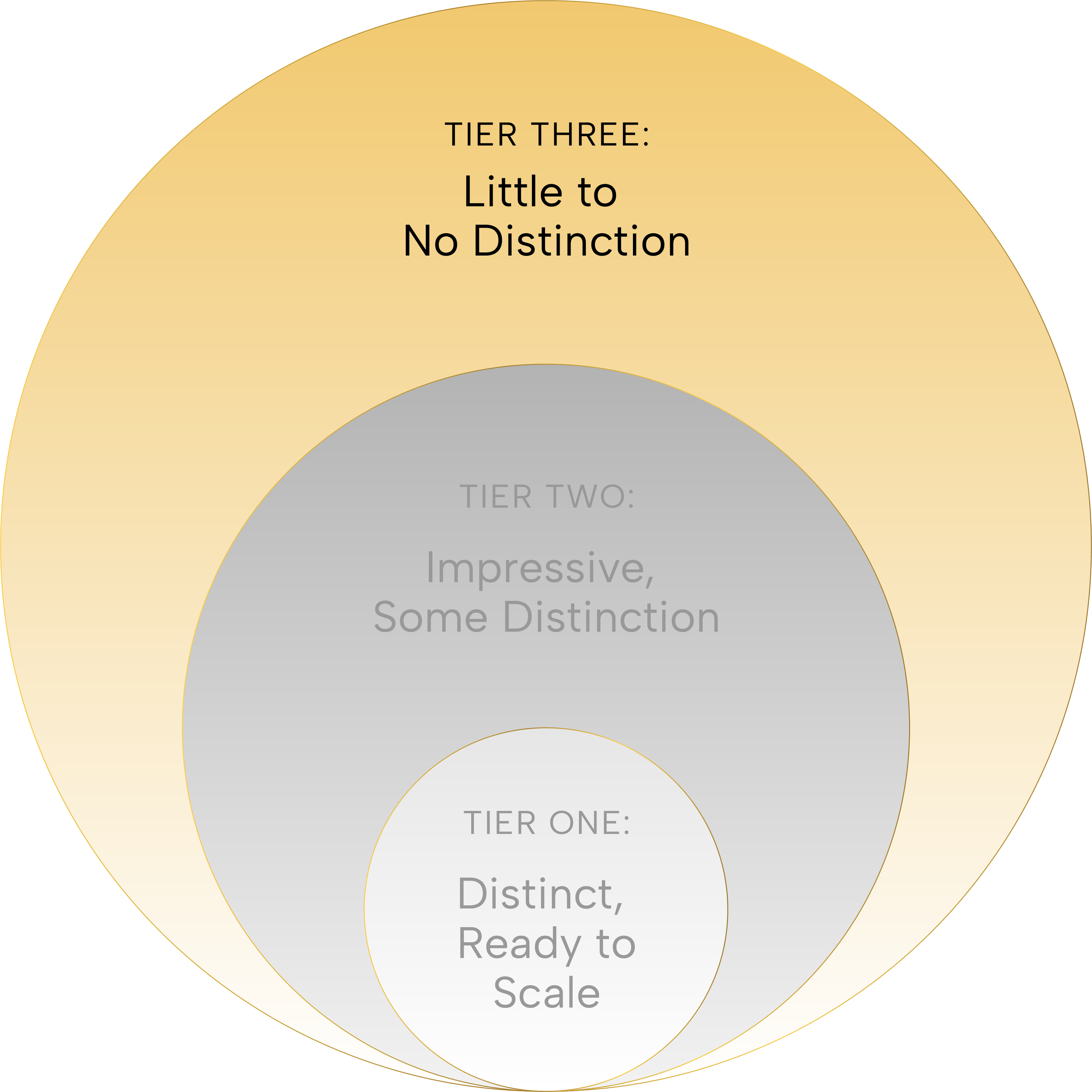
While the book, Dare to Design the Real You, and the Seeing Me Studio will be of benefit, you will go the farthest fastest by focusing on:
Chapter 2: The Root Cause in the book.
The primer exercise in the Seeing Me Method foundational trainings called Identity Influences, which you can access via the Seeing Me Studio below.
These two tools will help you see what’s in the way of your distinction and visibility, where you might inadvertently be rendering as generic, common or dull, and therefore forgettable and replaceable.
Each tool will reveal why it feels safer to be unseen.